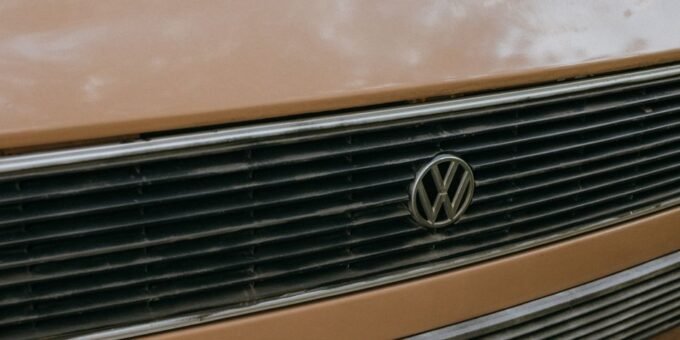
Volkswagen (VW) has announced plans to cut an additional 50,000 jobs and is considering discontinuing one of its brands. The move is part of a broader strategy to streamline operations and focus on future mobility solutions.
Background
The automotive industry is undergoing significant change, driven by technological advances and shifting consumer preferences. Volkswagen, one of the world’s largest automakers, has been at the forefront of these changes, investing heavily in electric vehicles and digital technologies. However, the company faces pressure to improve its financial performance and adapt to a rapidly evolving market.
In recent years, VW has implemented several cost-cutting measures, including workforce reductions and operational restructuring. The latest announcement is part of the company’s ongoing efforts to align its resources with its strategic priorities.
Key Developments
The decision to cut 50,000 jobs comes as VW seeks to reduce costs and improve efficiency. The move is expected to affect employees across departments and regions, though VW has not disclosed which divisions will be most affected.
Additionally, VW is reportedly considering discontinuing one of its brands. While the company has not confirmed which brand it may eliminate, analysts speculate that VW could consolidate its offerings to strengthen its position in the electric vehicle market.
Impact
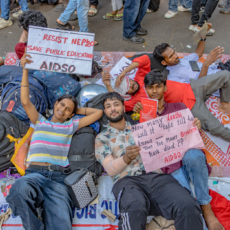
The job cuts and potential brand elimination are expected to significantly affect VW’s workforce and operations. Employees facing layoffs will need to seek new employment, and the local economies of affected regions may suffer negative repercussions.
For the company, these measures are expected to deliver cost savings and improve operational efficiency. By focusing resources on core areas, VW aims to enhance its competitiveness in the global automotive market, particularly in the electric vehicle segment.
What Next
As VW moves forward with its restructuring plans, it will likely continue to invest in electric and autonomous vehicle technologies. This focus aligns with broader industry trends and regulatory pressures to reduce carbon emissions and promote sustainable transportation.
Stakeholders, including employees, investors, and customers, will closely monitor VW’s next steps and the outcomes of these strategic decisions. The company’s ability to navigate these changes successfully will be critical to its future growth and sustainability.
VW is expected to make further announcements as it finalizes its plans and communicates the impact of these changes on its global operations.
Enjoy Books, Design, News, and Politics
Join us on Social Media.
Facebook | BlueSky | Instagram | Threads | Printrest
Frequently Asked Questions
Why is VW cutting 50,000 jobs?
VW is cutting 50,000 jobs as part of a strategy to reduce costs and improve efficiency. This is in response to the need to adapt to technological advancements and changes in consumer preferences, particularly towards electric vehicles and digital technologies.
Which brand might VW discontinue?
While VW has not confirmed which brand might be discontinued, analysts suggest that the company could eliminate a brand to consolidate its offerings and strengthen its position in the electric vehicle market.
How will the job cuts affect VW's business operations?
The job cuts are expected to result in cost savings and increased operational efficiency for VW. By aligning resources with strategic priorities, VW aims to enhance its competitiveness, especially in the electric vehicle segment.
What are the broader implications of VW's restructuring for employees?
Employees facing layoffs will need to find new employment opportunities, which could have negative effects on local economies in the affected regions. However, the restructuring is intended to align VW with future mobility solutions, potentially creating new opportunities in the long term.
How does VW's decision align with industry trends?
VW's decision to cut jobs and possibly discontinue a brand aligns with broader industry trends towards electric and autonomous vehicles. This move is also influenced by regulatory pressures to reduce carbon emissions and promote sustainable transportation solutions.